
New Puppy Checklist: Everything You Really Need Before Bringing Your Puppy Home

Updated: Jun 26
Bringing home a new puppy is one of life's most exciting moments. Along with all the cuddles and puppy kisses comes a big responsibility. Preparing your home before your puppy arrives will help them settle in more quickly and make those first few weeks much less stressful for both of you.
This guide covers the essentials you'll need before welcoming your new family member home. Before Your Puppy Arrives
Microchip
In the UK, puppies must be microchipped by the time they are 8 weeks old, and the registered keeper's details must always be kept up to date.
Even if your breeder has already arranged the microchip, make sure your contact details are transferred into your name.
A microchip greatly increases the chance of your puppy being reunited with you if they ever become lost.
Pet Insurance
I always recommend arranging insurance before problems arise.
If possible, choose a lifetime policy rather than an annual one. Lifetime insurance continues to cover long-term medical conditions, whereas many annual policies stop paying for ongoing illnesses once the policy renews.
Although insurance is an extra monthly cost, it can save thousands of pounds if your dog develops a chronic condition or requires emergency surgery.
Food & Feeding
Food
Most breeders will provide enough food for the first few days.
If you decide to change your puppy's diet, do it gradually over 7-10 days by slowly mixing the new food with the old.
Sudden food changes commonly cause diarrhoea or stomach upset.
Whenever possible, choose a high-quality food with clearly identified animal protein rather than relying on cheaper supermarket brands.
Food & Water Bowls
There are several options:
Stainless steel – durable, hygienic and easy to clean.
Ceramic – heavy, stable and popular with many dogs, but breakable.
Plastic – inexpensive, but scratches easily and some puppies enjoy chewing them.
If your puppy eats too quickly, consider using a slow feeder bowl, which encourages slower eating and may reduce vomiting or excess gas.
I generally recommend feeding puppies yourself rather than relying on automatic feeders. Mealtimes are a great opportunity for bonding.
Sleeping & Safe Spaces
Bed or Crate?
Many owners choose to crate train, while others prefer using a puppy-proofed room or playpen.
A crate should never be used as punishment. Instead, it should become a safe, comfortable place where your puppy can choose to relax.
Personally, I didn't use crates with my own dogs. They slept beside my bed when they were young, and over time I gradually moved their bed to its permanent location. When I left the house, they stayed safely in a puppy-proofed hallway.
There isn't one perfect solution—choose the option that suits both your puppy and your lifestyle/environment.
Playpen or Baby Gates
One of my favourite puppy purchases!
Baby gates and playpens allow your puppy to stay safe while still having enough space to move around. They are often less restrictive than constantly using a crate and make it easier to manage your puppy's environment.
Toilet Training
Some owners choose to use puppy pads/fake or real grass pads, while others begin toilet training outdoors immediately.
If you have easy access to a secure garden, I usually recommend teaching your puppy to toilet outside from day one.
If you decide to use puppy pads:
Keep them in one or two consistent locations.
Avoid moving them once your puppy has learned where they are.
Too many pads around the house can confuse puppies and slow toilet training.
Walking Equipment
Collar & ID Tag
Every dog should wear a properly fitted collar with an ID tag whenever they are out in public.
The tag should include:
Your phone number
Your surname
Your address or postcode (if space allows)
The collar should fit comfortably—you should be able to slide two fingers underneath it.
Harness
For puppies, I strongly recommend using a well-fitted safety harness. I recommend avoiding harnesses with only one attachment point for puppies, as they are generally less secure and puppies can escape from them more easily.
Young puppies are surprisingly good at escaping poorly fitted harnesses.
Your puppy does not need to wear their harness all day indoors. Instead, introduce it gradually using treats and short sessions so they learn to wear it happily.
Lead
Choose a standard lead rather than a retractable lead.
Standard leads provide much better learning and make loose-leash walking easier to teach.
Retractable leads often encourage pulling and can be unsafe for both dogs and people.
Long Line
A 10-metre training line (or maximum 15 metre) is one of my favourite training tools.
It allows puppies to safely explore while practising recall without giving them complete freedom too early.
I use long lines regularly during my own training sessions.
Toys & Enrichment
Puppies don't need dozens of toys.
Instead, choose a small selection that encourages different behaviours:
Chewing
Problem-solving
Tugging
Chasing
Food enrichment
Quality is far more important than quantity.
KONG toys remain one of my favourite recommendations because they can be stuffed with food, frozen, and used for enrichment, helping puppies learn to relax independently.
Grooming & Health Care
Before your puppy arrives, it is useful to have:
Appropriate brush or comb
Dog nail clippers or grinder
Puppy shampoo
Toothbrush and dog toothpaste
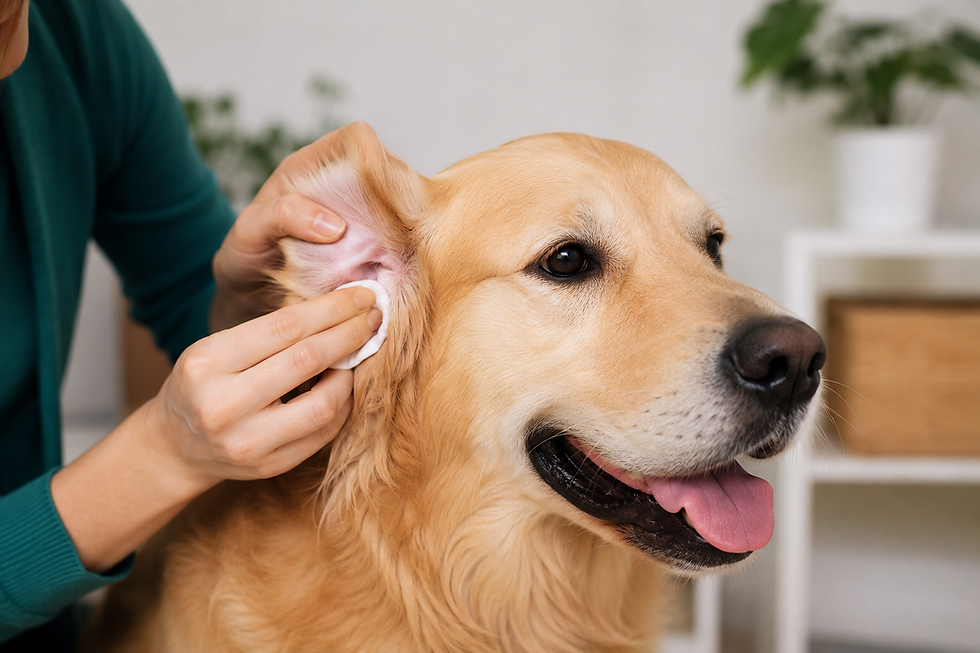
Ear cleaner
Eye cleaner
Basic pet first aid kit
Getting your puppy used to gentle handling from an early age makes future grooming, veterinary visits, and health checks much easier.
Remember:
Only use products designed specifically for dogs.
Avoid bathing puppies too frequently, as this can dry out their skin.
Check ears regularly but only clean them when necessary.
Travelling Safely
If your puppy will travel by car, use either:
A crash-tested safety harness
A securely fixed travel crate
Allowing dogs to travel unrestrained is unsafe for both your puppy and everyone else in the vehicle.
Do Puppies Need Clothes?
Most puppies do not need clothing outdoors.
However, very young puppies, small breeds, elderly dogs, or breeds with very short coats may benefit from extra warmth during cold weather.
Never force your puppy to wear clothing if they appear uncomfortable.
Training Essentials
Training Treats
Many owners ask whether they should use treats or simply use their puppy's normal kibble.
Both can work.
Personally, I like using high-quality treats because they are often more motivating, especially when training outdoors or in distracting environments.
Choose treats with good ingredients and feed them in moderation.
Remember, treats are a training tool—not a meal replacement.
Some puppies are also highly motivated by toys or play, so always find what your individual puppy enjoys most.


Comments